Overview
The Public Participation Plan (PPP) is a guiding document that explains how individuals, community groups, and organizations can get involved in the transportation planning process. It outlines the steps, rules, and ways to ensure broad engagement in decisions related to the region’s transportation system. These include:
- Public Comment Periods: We hold time periods where you can review plans and share your thoughts. Feedback is reviewed, and it may lead to changes.
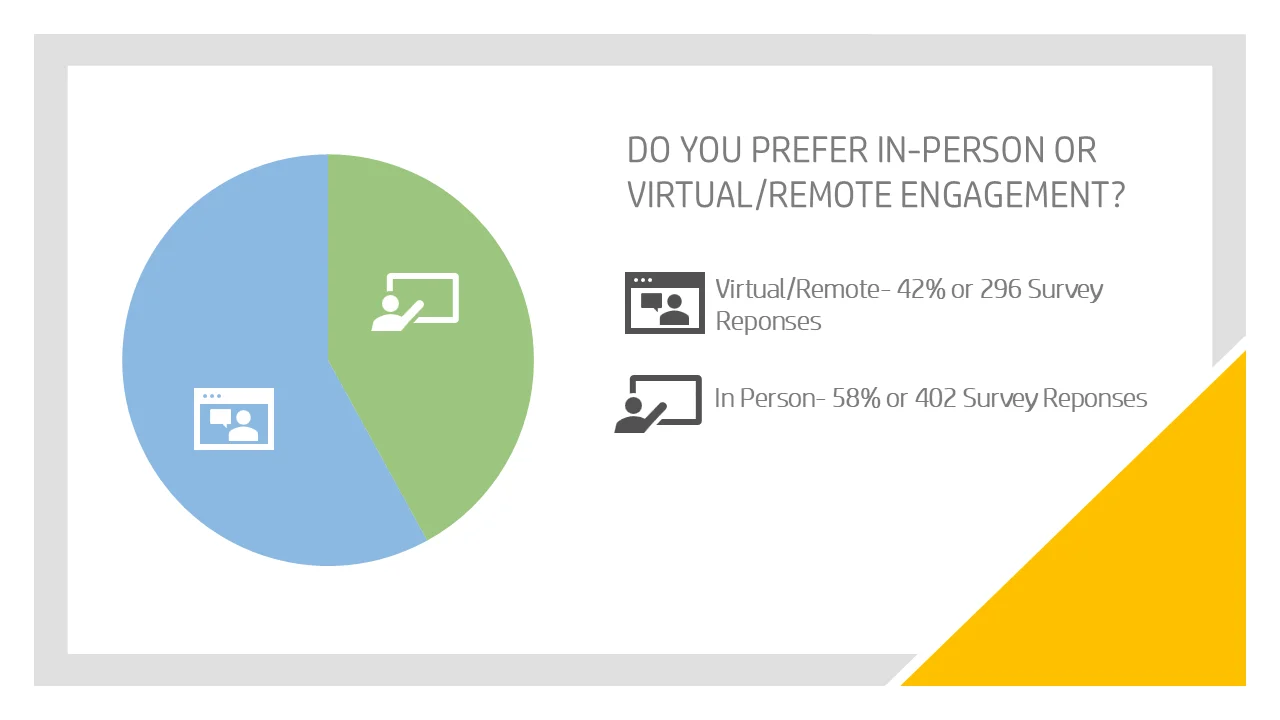
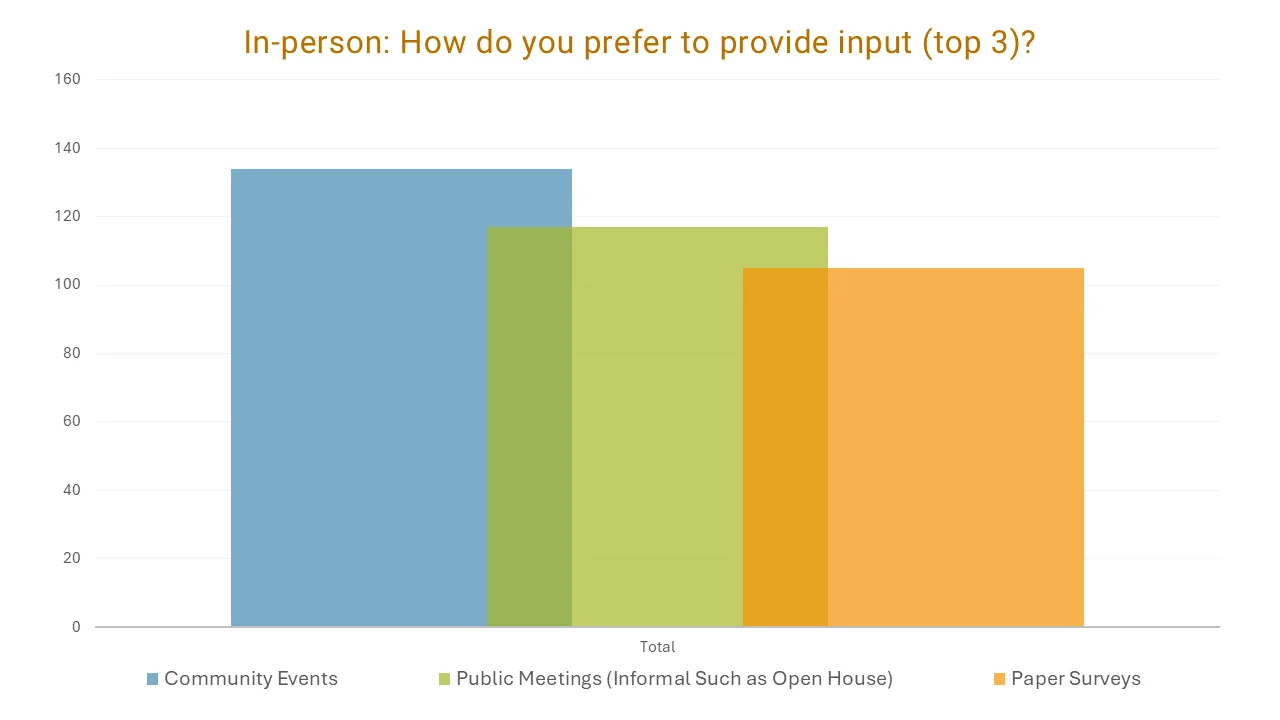
- Meetings and Workshops: We hold public meetings, virtual or in person, to explain plans and listen to feedback.
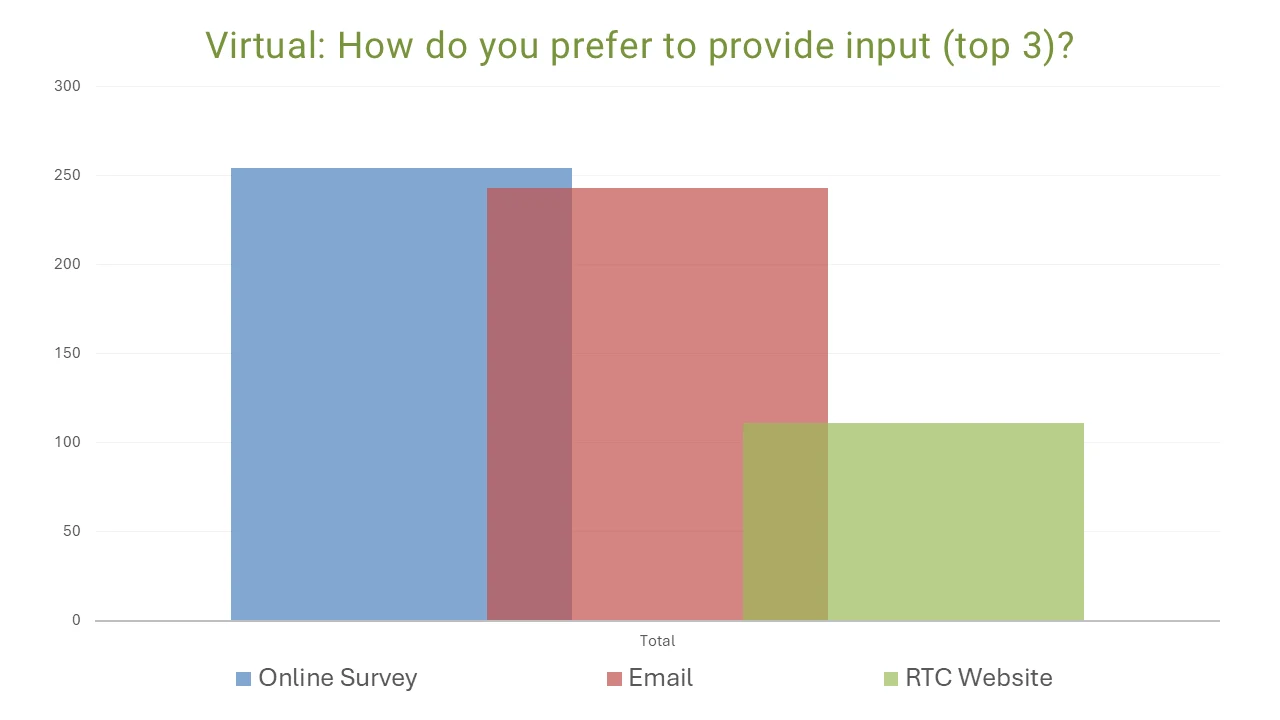
- Surveys and Online Feedback: We use online surveys and feedback tools so everyone can participate, even if they can’t attend in-person meetings.
- RTC Board and Committees Review: These groups meet regularly to review and approve plans with input from the public.
When we say a project is “obligated,” it means the federal government has promised to pay or reimburse part of the project’s costs. The report lists the projects that are financially supported by the government, and put together by the Regional Transportation Commission (RTC) and the Nevada Department of Transportation (NDOT).
Why is it Important?
- Build a transportation system that meets the needs of the community.
- Strengthen relationships between government agencies, businesses, and the people we serve.
- Meet federal requirements: Per Federal Regulation Title 23 Code of Federal Regulations (CFR) § 450.316, we have to create a written plan to make sure everyone can be included in transportation decisions.
The PPP is updated every 4 years to ensure that public participation tools and methods are up to date. The most recent PPP was revised and approved by the RTC Board in 2022. The next PPP will occur from January to December 2026.
Development Process
Community Outreach and Public Input
The plan was developed with comments and feedback from the community, A 45-day public comment period (extended to 59 days from August 26 to October 23, 2022). During this period:
- Over 1,735 people were connected through social media.
- Over 300 individuals were reached via email.
- More than 8,500 people participated through community events
Stakeholder Input and Technical Committees
Key groups, including government agencies, transportation providers, businesses, and community organizations were also included in the process. They were invited to join the Technical Advisory Committee (TAC), which helped guide the development of the plan and provide expert feedback.
Data Tools and Analysis
We also used data to understand where we can improve outreach and make sure we reach everyone. Tools like the Southern Nevada Community Health Score Index, RTC Equity Factors Map, and SNS Community Data Map help us target areas that need more attention and ensure everyone has a voice.
Findings