
Overview
Have you ever been stuck in traffic, wasting time and getting frustrated? Congestion, or heavy traffic, management is all about improving transportation systems to reduce traffic jams and make travel smoother for everyone.
The Congestion Management Process helps monitor and assess how well the transportation system is working and where congestion is causing problems. This document outlines a tool for managing traffic congestion in Southern Nevada, and it’s regularly updated to keep up with changes in travel patterns, policies, technology, and available data.
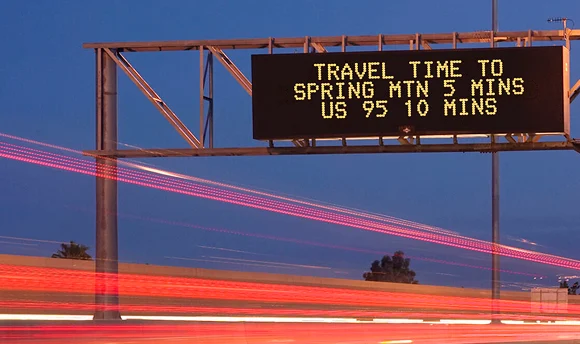
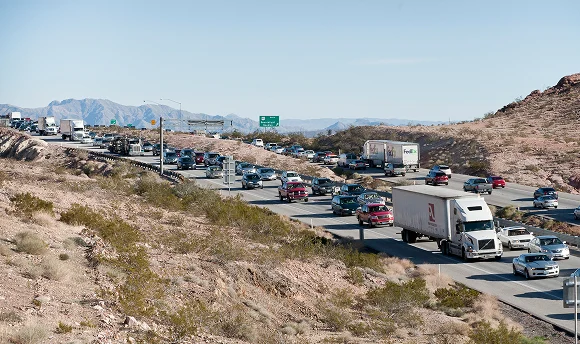
What is Congestion Management Process?
The Congestion Management Process (CMP) is a plan created to help track and improve the performance of the transportation system to reduce traffic and make travel more efficient. It sets clear goals and measures to address the area’s specific needs, with input from local groups and communities. The process includes setting clear goals and performance measures tailored to the area’s needs, with input from local stakeholders.
The development of the CMP was also a response to federal requirements. In 1991, the federal government passed the Intermodal Surface Transportation Efficiency Act (ISTEA), which required metropolitan areas to create congestion management plans to address the growing issue of traffic congestion.
Who is eligible?
- All part- or full-time students
- All members of the faculty
- All additional staff
Where to buy:
- Bonneville Transit Center (BTC), 101 E. Bonneville Ave. (Monday – Sunday)
- RTC Administration Building, 600 S. Grand Central Pkwy. (Monday – Thursday)
- On the rideRTC app
Why is it Important?
The CMP helps our region become more adaptable and better equipped to manage congestion. It improves how we work together and makes congestion management efforts more effective.
- Provides a Clear Way to Address Congestion The CMP offers a step-by-step method for identifying and tackling traffic issues in a consistent and organized way. This helps our region respond to congestion problems more effectively.
- Focuses on Measurable Goals The CMP uses clear performance measures to make sure investments are focused on achieving the right results. By evaluating different strategies, we can see which ones work best, understand why they succeed (or fail), and figure out where they’ll be most effective.
- Encourages Collaboration The CMP brings together various groups, such as city planners and transportation agencies, to work on congestion solutions. This teamwork ensures that the strategies we use fit the community’s needs and match the region’s long-term goals.
- Makes Better Use of Resources The CMP helps identify the best short-, medium-, and long-term strategies for managing congestion. It also highlights issues like traffic reliability and unexpected congestion, which are often missed in traditional planning. This ensures that resources are used wisely to tackle the most important traffic problems.
Development Process
The CMP collects data and looks at where the worst traffic happens, and uses that information to come up with solutions.
1. Congestion Management Data
The CMP gets data in two main ways:
- Internal Data: This comes from things like FAST (Freeway and Arterial System of Transportation), which uses cameras and sensors to watch traffic in real time. It also uses systems that help control traffic and map out the area, so they know where problems are happening.
- External Data: This comes from things like GPS in phones and cars. It helps track traffic all over the area and understand how people are driving.
2. Travel Time Reliability
The CMP checks how reliable travel times are. This means figuring out if people can expect to get to their destinations at the same time every day, or if there are delays because of accidents, construction, or bad weather.
3. Segment Analysis
The RTC looks closely at the worst areas of traffic, especially during the busy evening hours. This helps figure out exactly where the problems are so they can be fixed.
4. Strategy Development and Implementation
Once the data is collected and analyzed, the CMP creates and puts into action solutions to fix the problems. These include:
- Reducing Vehicle Trips: Encouraging people to carpool, work from home, or use other ways to get around to reduce the number of cars on the road.
- Shifting to Other Modes: Encouraging people to use public transportation, bikes, or even walk to reduce the number of cars during busy times.
- Improving Road Operations: Making better use of the roads with things like better timing for traffic lights or improving traffic flow.
- Adding Road Capacity: Expanding roads or adding lanes to handle more cars when needed.
